

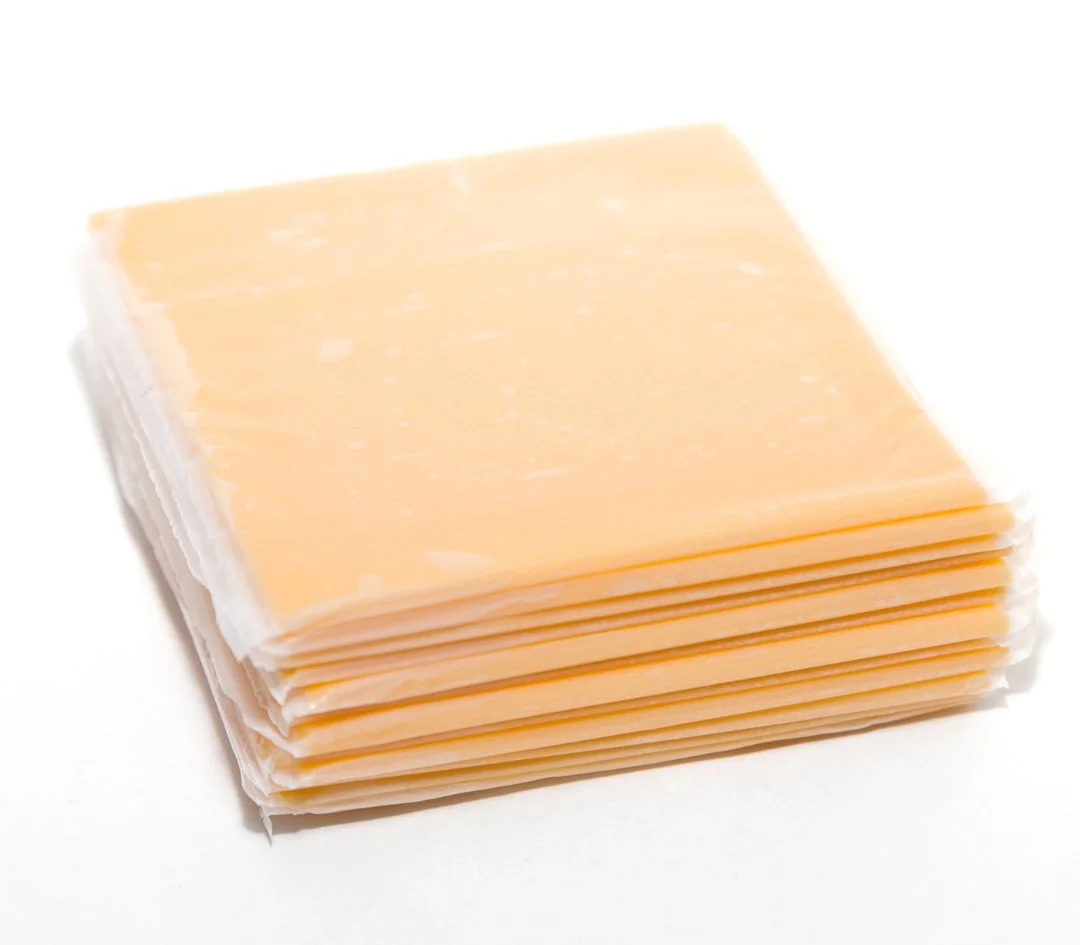
Cheese Packaged in Plastic May Expose You to Harmful Chemicals
Cheese is a delicious snack, but if you are eating small portions wrapped in plastic, you may be ingesting more than just cheese. Many hazardous plasticizers are “lipophilic,” which means that they are drawn to and readily absorbed by substances that are high in lipids — aka fat. Cheese and other dairy items have a high fat content and readily absorb migrating chemicals.

Vinyl Chloride: A Toxic Chemical That Threatens Human Health
Vinyl chloride is a carcinogenic chemical used to make polyvinyl chloride (PVC) plastic. Vinyl chloride is found in PVC pipes; vinyl siding, windows and flooring; packaging; furniture and car parts; children's toys, pet toys, shower curtains, credit cards, gift cards and many other consumer goods.
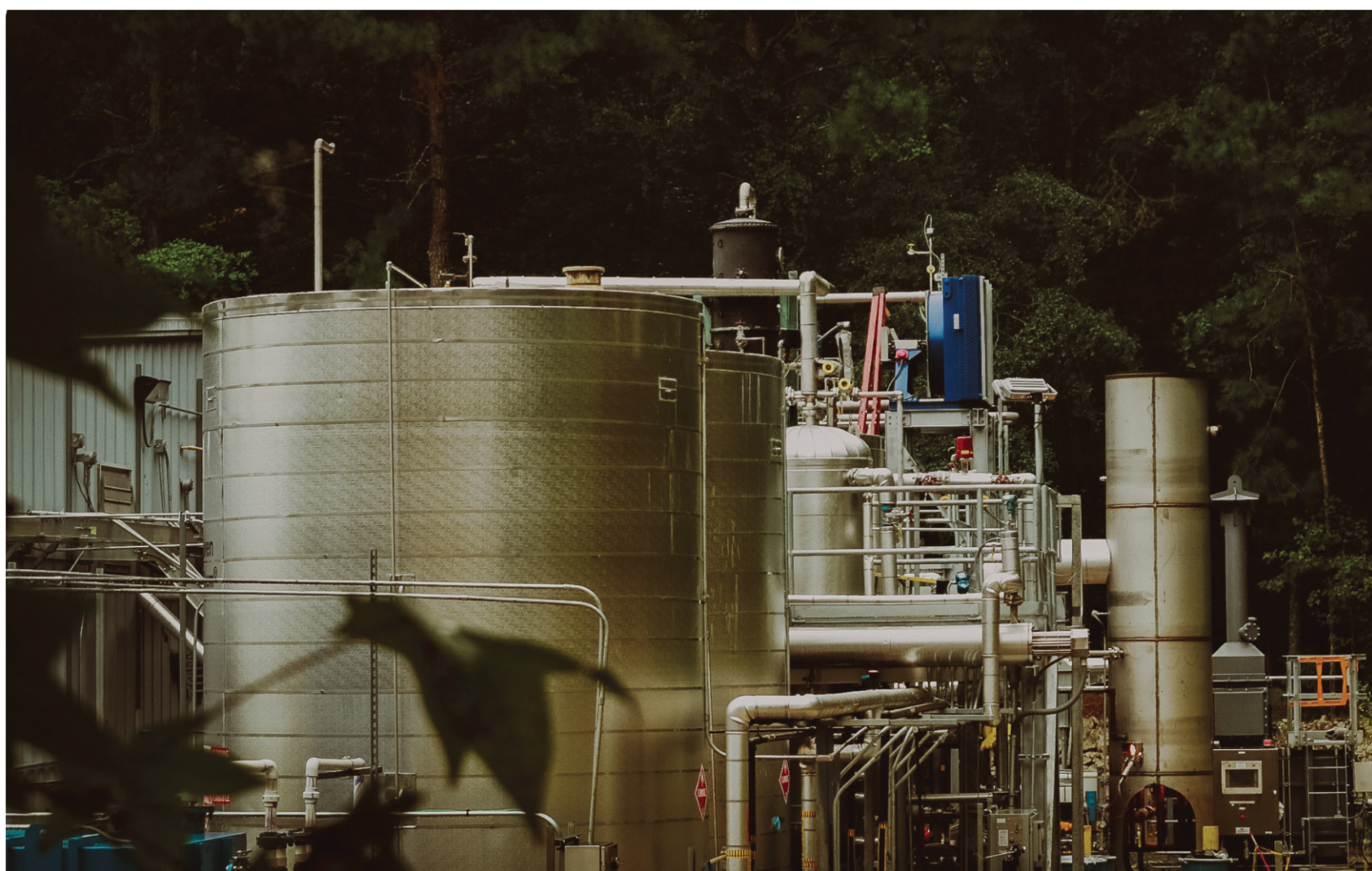
Petrochemical Companies are Pushing Chemical Recycling
Chemical recycling is a dangerous deception that will NOT solve our plastic pollution problem. Get the facts.
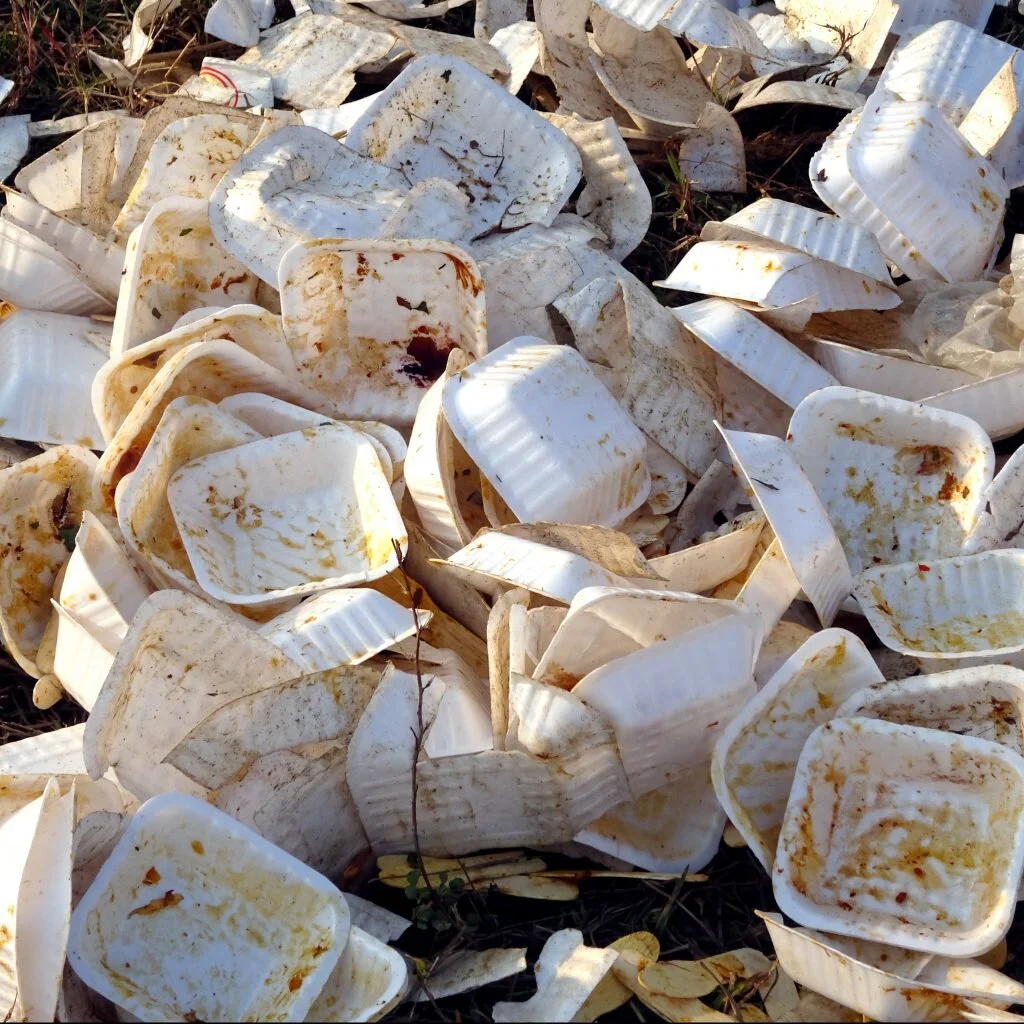
The Problems with Expanded Polystyrene (a.k.a. EPS or Plastic Foam)
Toxins in polystyrene readily leach into food an drinks, a process that is accelerated by heat and contact with fatty and acidic foods. And polystyrene can persist in the environment for more than 1 MILLION YEARS. With Americans using 25 billion polystyrene cups per year and plastic-free, non-toxic alternatives readily available, it’s time for a change.
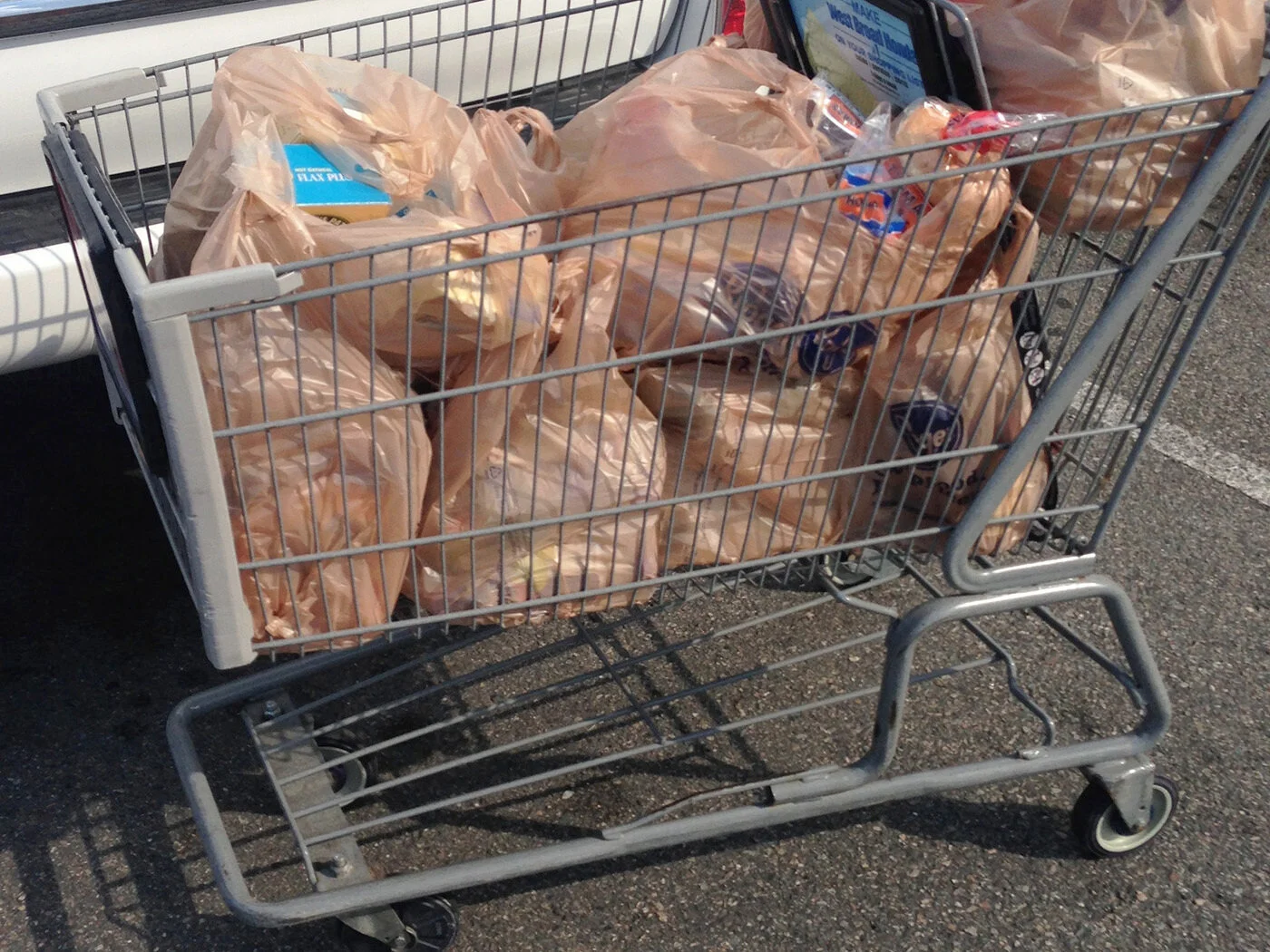
Single-Use Plastic Bags
Plastic bags are used for an average of 12 minutes but can last for more than 500 years, polluting our environment and endangering wildlife. Find out how you can help pass laws to ban them and encourage the use of reusable bags.

Environmental Justice
Plastic production and petrochemical pollution disproportionately impact low-income communities and communities of color in the Ohio River Valley and the Gulf Coast — where the bulk of production is concentrated—and where fossil fuel, plastics, and chemical companies intend to build even more facilities.
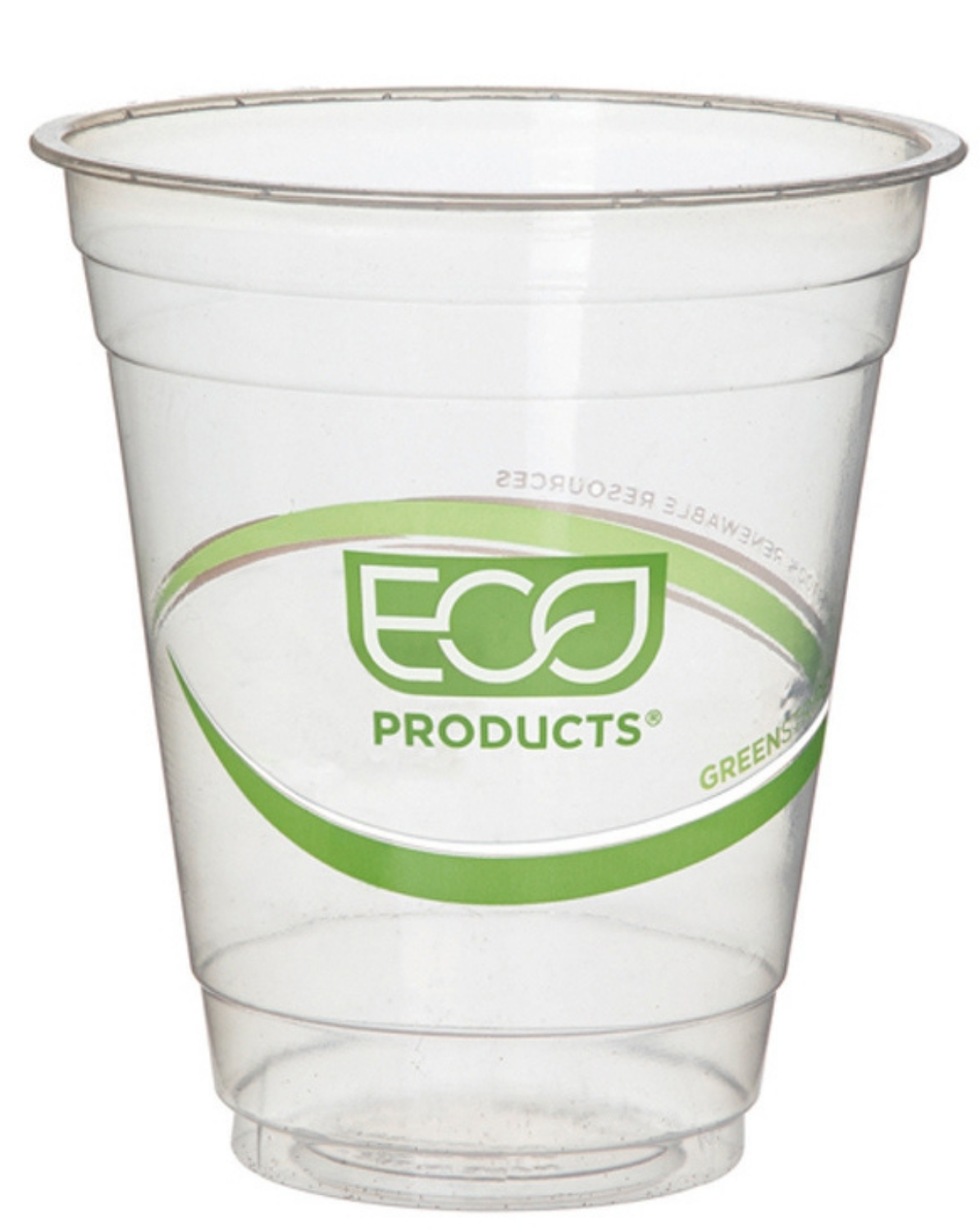
Demystifying ‘Compostable’ and ‘Biodegradable’ Plastics
Bioplastics and compostable plastics sound promising but they’re filled with false promises. Find out why.
False Solutions to Plastic Pollution
As the global plastic pollution crisis continues to grow, so does plastics industry hype promoting false solutions — techno “fixes” including waste-to-energy incineration and chemical processing of plastic waste. We need to expose and reject these false solutions.